From cloud computing and data centers to high speed telecommunications and enterprise networks, the demand for faster data transfer rates is insatiable. The ability to handle 40G data rates has emerged as a crucial factor in ensuring seamless communication and efficient data processing. A transceiver that can support such high speeds is essential to keep up with the ever increasing volume of data traffic. Do you know which transceiver would you choose to support 40G Gbps data rates? Let’s explore with below article.
Understanding Key Transceiver Types for 40G
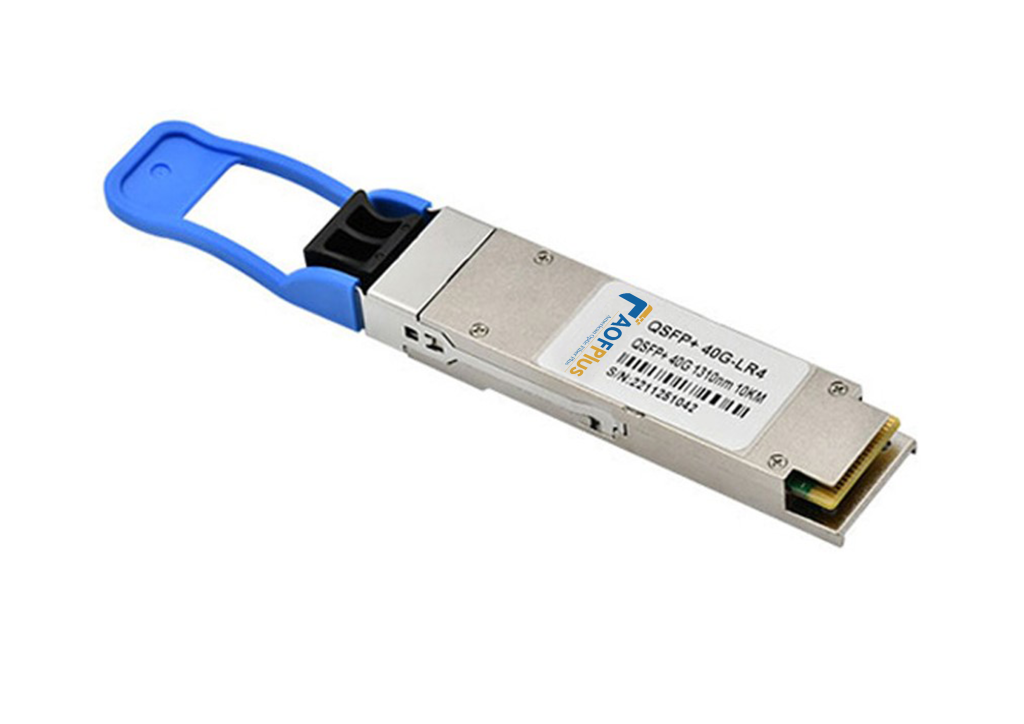
QSFP+ (Quad Small Form-factor Pluggable Plus) Transceivers
Form Factor and Compactness: 40G QSFP+ transceiver is designed with a relatively small form factor, making them ideal for applications where space is at a premium. Their compact design allows for high port density in networking equipment such as switches and routers. For instance, in a data center rack, multiple QSFP+ ports can be installed in a limited space, enabling the connection of numerous servers and storage devices.
Various Transmission Distances: The 40G QSFP+ fiber transceiver offer a range of transmission distance options. Short reach QSFP+ transceiver module can handle connections within a single rack or between adjacent racks, typically up to around 550 meters over copper cables. For longer distances, fiber optic based QSFP+ optic transceiver can reach up to 120kilometers. The long transmission distance of 40G transceiver makes them suitable for various data center architectures, from small to large scale deployments.
Cost Effectiveness and Power Efficiency: QSFP+ transceiver is known for their relatively low cost compared to some other high speed transceiver options. Additionally, they consume less power, which is a significant advantage in large data center environments where power consumption and cooling costs are major concerns. For example, in a hyperscale data center with thousands of transceiver ports, the power savings achieved by using QSFP+ transceiver can be substantial over time.
CFP (C Form-factor Pluggable) Transceivers
High Power and Thermal Management: CFP transceiver is engineered to handle higher power levels, which is crucial for applications that require long-haul transmission. They have advanced thermal management features to dissipate heat effectively. In long-distance telecommunications networks, where signals need to travel over hundreds of kilometers, the ability to manage power and heat is vital to ensure reliable operation.
Long Haul and Metro Network Suitability: The CFP fiber transceiver is well-suited for long-haul and metro network applications. They can support 40G data rates over extended fiber optic links, connecting different network segments across cities or even countries. In a metro network, CFP transceiver module can be used to interconnect central offices and data centers, providing the necessary bandwidth for services like high-definition video streaming and large-scale data backups.
Factors Influencing the Choice of 40G Transceiver
Application Requirements
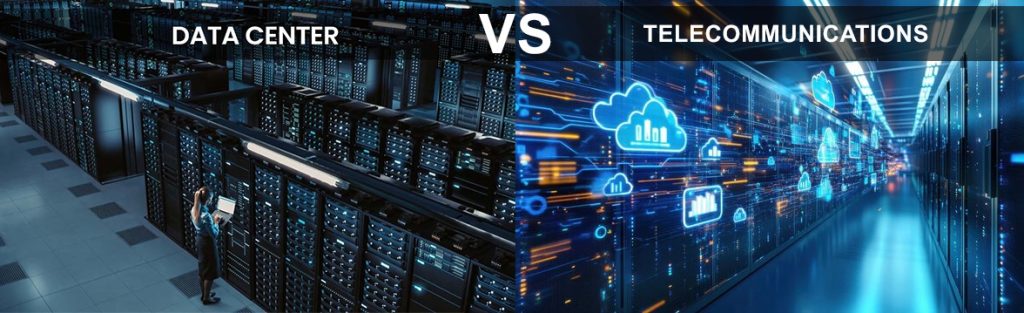
Data Center vs. Telecommunications: In a data center, the focus may be on high port density, short to medium transmission distances, and cost effective solutions. Here, QSFP+ 40G transceivers are often the preferred choice due to their compact size and ability to handle intra data center traffic efficiently. In contrast, telecommunications networks that span long distances and require high power and reliability may lean towards CFP 40G transceiver.
Traffic Patterns and Bandwidth Demands: If the network experiences bursts of high traffic or has a consistent need for large amounts of bandwidth, the transceiver’s ability to handle such loads without degradation is crucial. CFP 40G transceiverwith their higher power capabilities might be better equipped to handle sustained high-bandwidth traffic over long distances, while QSFP+ 40G transceiver can handle moderate to high traffic within the data center environment.
Cost Considerations
Initial Investment: The upfront cost of the fiber transceiver itself is an important factor. QSFP+ transceiver module generally have a lower initial purchase price compared to CFP transceiver. For organizations with budget constraints, especially those building or expanding data centers, the cost advantage of QSFP+ transceiver can be a deciding factor.
Total Cost of Ownership: This includes not only the purchase price but also operating costs such as power consumption and maintenance. Over the long term, the lower power consumption of QSFP+ transceiver can result in significant savings in electricity bills. However, in some cases, the higher reliability and longer lifespan of CFP transceiver might offset their higher initial cost in terms of reduced replacement and maintenance requirements.
Compatibility with Existing Infrastructure
Network Equipment Compatibility: The chosen transceiver must be compatible with the existing switches, routers, and servers in the network. QSFP+ transceiver has become a widely adopted standard in many modern data center equipment, ensuring relatively easy integration. However, in some legacy telecommunications networks, upgrading to CFP transceivers might require additional infrastructure modifications or equipment replacements to ensure proper compatibility.
Fiber Optic Cable Compatibility: Different transceivers may require specific types of fiber optic patch cord. Short distance data transmission requires the use of multimode fiber, while long distance transmission typically uses single mode fiber. Ensuring that existing fiber optic infrastructure is suitable for or can be upgraded to support the selected transceivers is crucial to avoiding costly cable replacements.
Conclusion
Selecting the right transceiver to support 40G data rates is a complex but crucial decision. It requires a comprehensive understanding of the application requirements, cost implications, and compatibility with existing infrastructure. Whether it’s the space-saving and cost-efficient QSFP+ fiber transceiver for data center operations or the high-power and long-haul capable CFP transceiver module for telecommunications networks, a careful evaluation of all these factors will ensure that the chosen transceiver optimally meets the network’s needs, enabling efficient data transfer and reliable network performance at 40G speeds.
AOFPLUS offering all kind of 40G transceiver, shop with us for your high speed network.