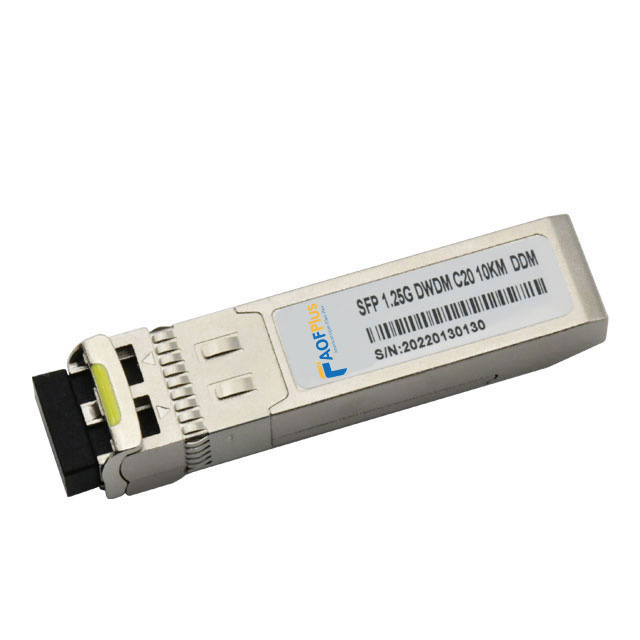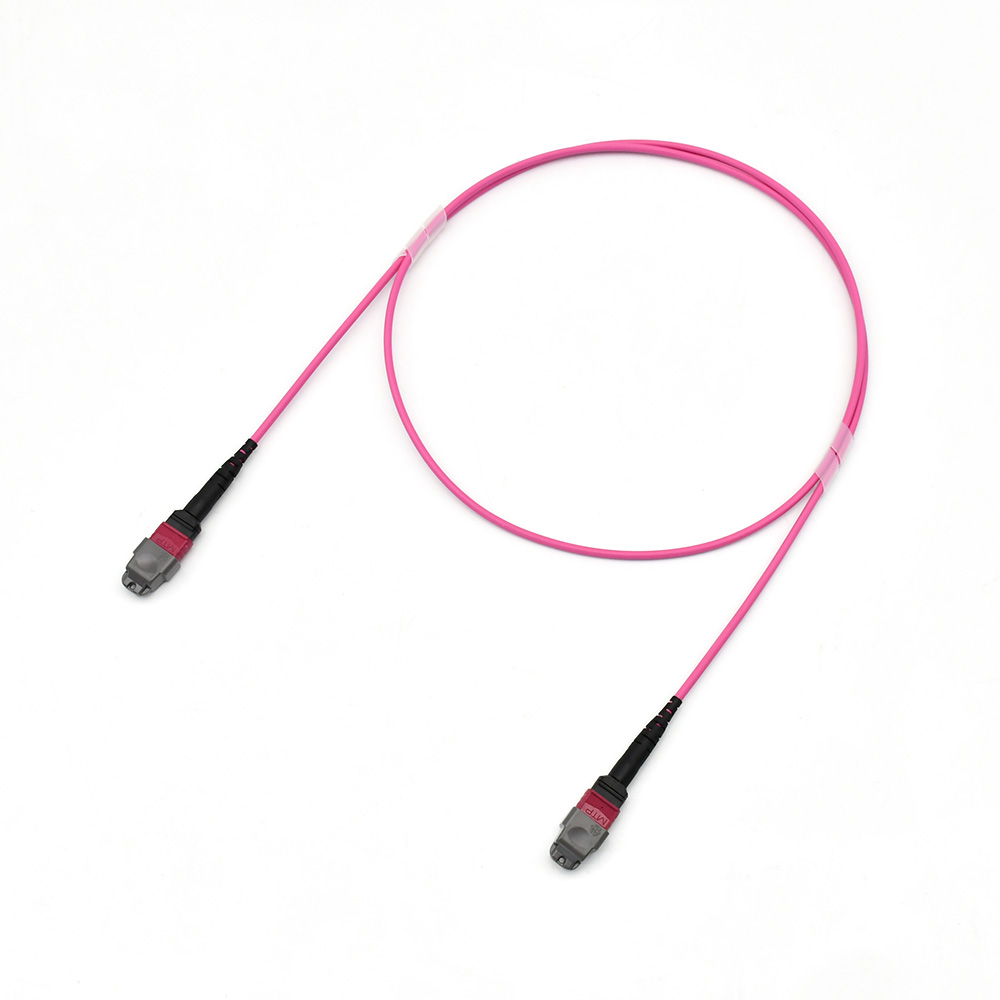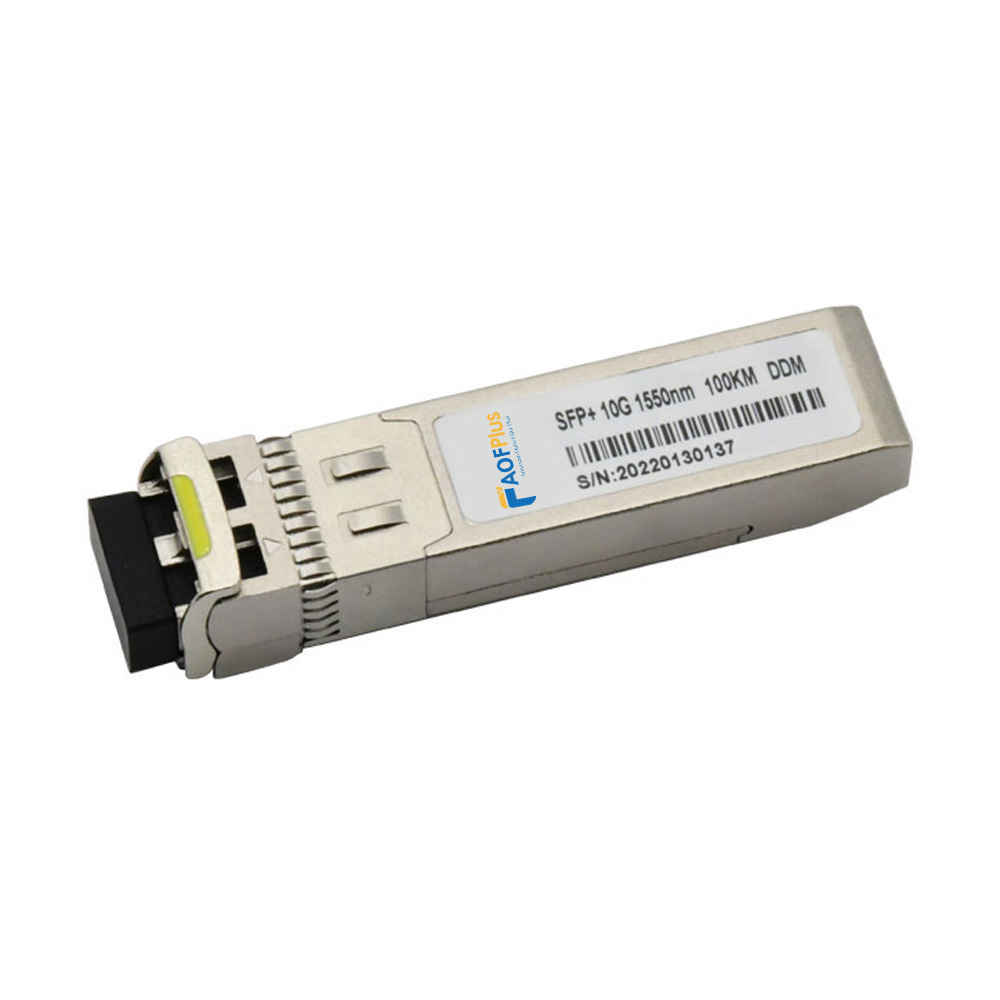
100G transceivers are critical components for data centers, enabling seamless transmission of large volumes of data at ultra fast speeds. But where exactly are these powerful components deployed? Let’s dive into and explore the main applications of 100G transceivers.
Data Centers
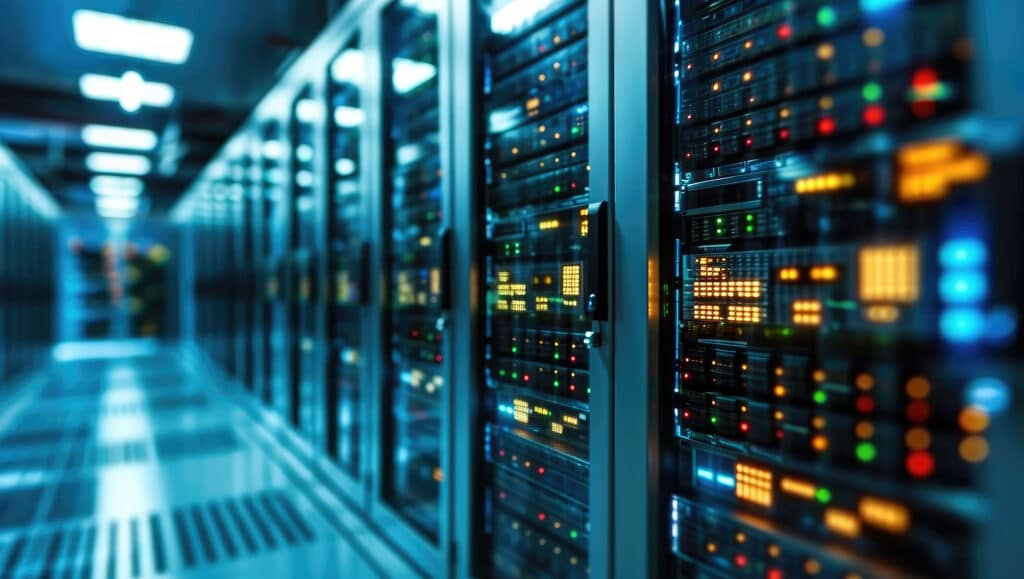
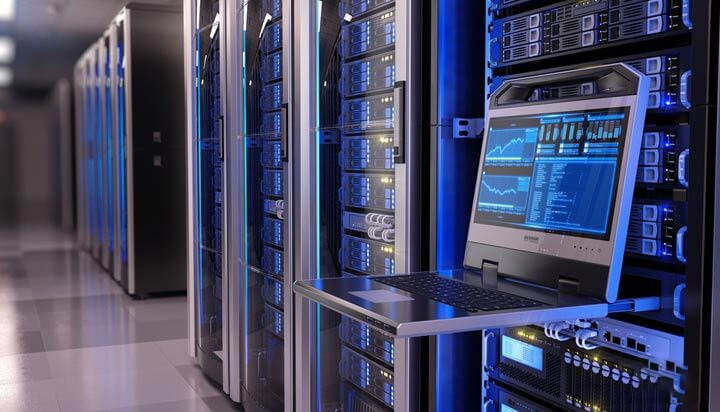
Hyper-scale data centers, which house vast amounts of computing resources and handle colossal volumes of data traffic, are prime beneficiaries of 100G fiber transceivers. These transceiver module enable rapid communication between servers, storage systems, and networking equipment within the data center. For instance, in a cloud computing environment where multiple virtual machines are constantly exchanging data, 100G optic transceiver ensure that the data flow is seamless and efficient. This high-speed inter-connectivity allows for faster processing of user requests, such as loading web pages, streaming media, or running complex software applications. It also facilitates real-time data replication and backup operations, enhancing the overall reliability and availability of data center services.
High Performance Computing (HPC) Clusters
HPC clusters, used for tasks like scientific research, weather forecasting, and financial modeling that demand massive computational power, rely heavily on 100G transceiver. In these clusters, multiple high performance computers work in tandem to solve complex problems. The 100G transceiver module provides the necessary bandwidth to transfer large datasets between the nodes of the cluster. For example, in a research project analyzing genomic data, which involves processing terabytes of genetic information, the quick data transfer enabled by 100G optic transceiver significantly reduces the overall processing time. This allows scientists to obtain results faster and accelerates the pace of research and discovery.
Telecommunications Networks
Core and Metropolitan Networks
In the core and metropolitan areas of telecommunications networks, 100G transceiver plays a vital role in transporting large amounts of data over long distances. They are used in backbone routers and switches to interconnect different network segments. This is essential for handling the ever-increasing traffic from services like high definition video streaming, online gaming, and large file downloads. For example, in a metropolitan area network, 100G transceiver ensures that the data from multiple subscribers in a city can be aggregated and transmitted to other parts of the network without bottlenecks. They also support the growth of 5G mobile networks by providing the backhaul capacity needed to connect 5G base stations to the core network. As 5G enables faster mobile broadband speeds and supports a massive number of connected devices, the high bandwidth of 100G optical transceiver is crucial for maintaining network performance.
Large Enterprise Campus Networks
Large enterprises with extensive campus networks, such as universities, corporate headquarters, and industrial complexes, utilize 100G transceiver to connect different buildings and departments. This allows for efficient sharing of resources like file servers, printers, and application servers. For example, in a university campus, students and faculty in various buildings can access online learning platforms, library databases, and research facilities without experiencing significant delays. The 100G transceiver module also support video conferencing and other collaborative tools, enabling seamless communication and teamwork across the campus.
Service Provider Networks
Service providers offering managed network services, such as Internet Service Providers (ISPs) and Managed Service Providers (MSPs), use 100G fiber optic transceivers to enhance the quality and speed of their offerings. They can provide customers with high speed dedicated connections, which are especially valuable for businesses that require reliable and fast network access. For instance, a business that relies on cloud based applications and online transactions can benefit from the low latency and high bandwidth provided by 100G transceiver module in the service provider’s network. This helps to improve productivity and customer satisfaction.
Conclusion
The applications of 100G QSFP28 transceiver are diverse and far reaching. From powering the data intensive operations of hyper scale data centers and HPC clusters to enabling seamless communication in telecommunications and enterprise networks, these transceivers are at the forefront of modern network technology. As the demand for faster data transfer and greater network capacity continues to grow, the importance of 100G QSFP28 fiber transceiver in shaping the digital future cannot be overstated.