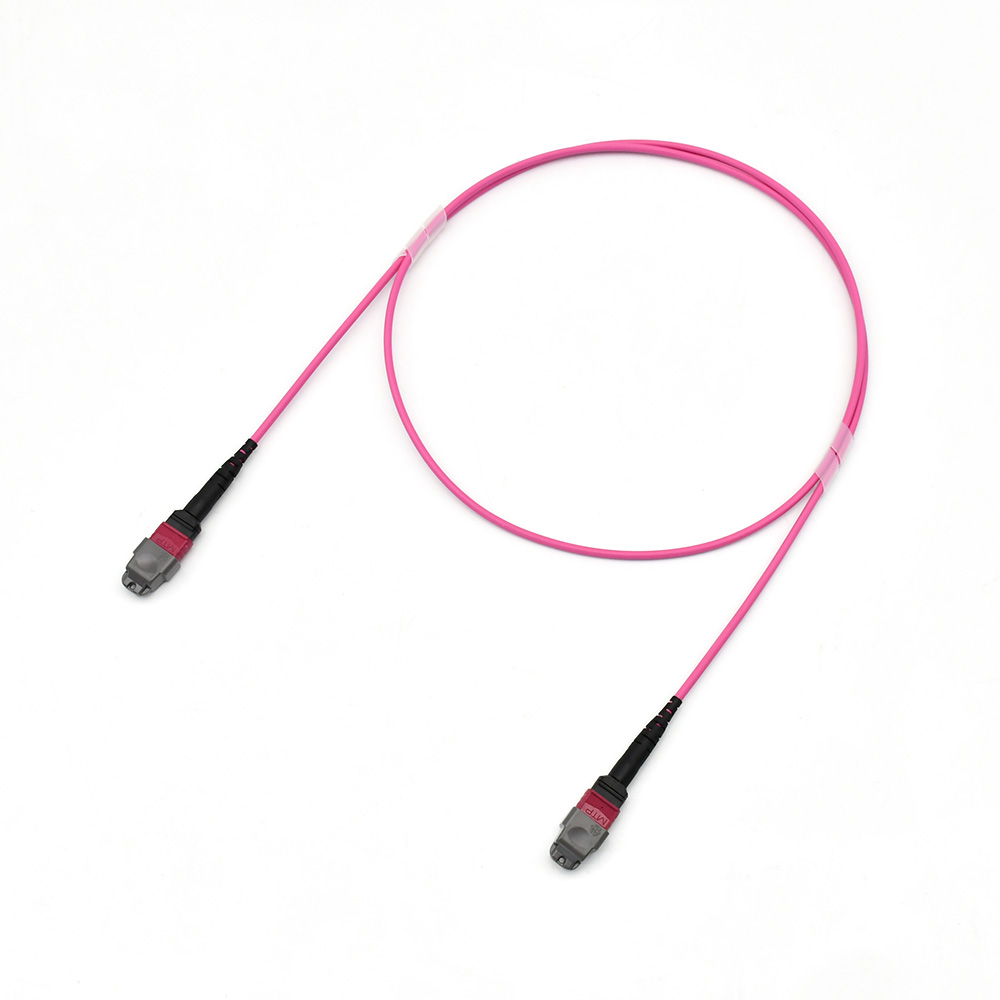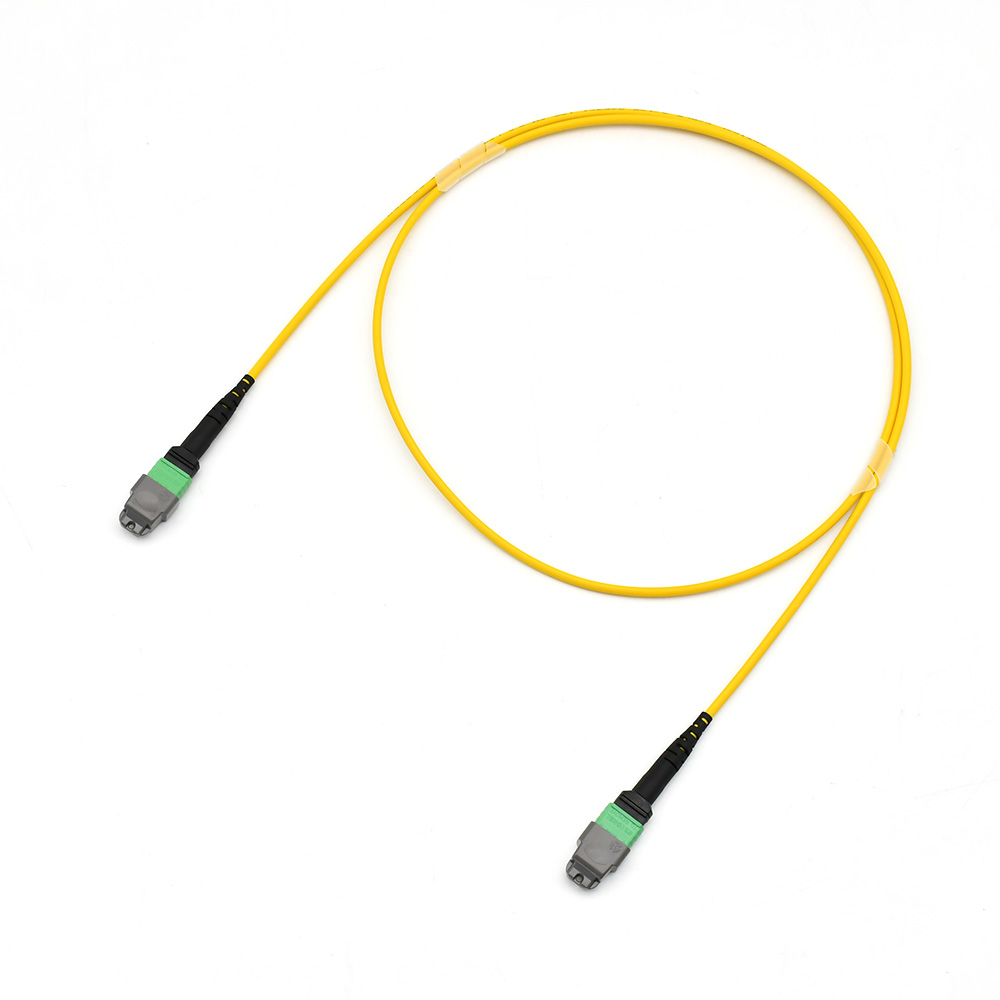
In today’s highly competitive telecommunications industry, companies are constantly seeking a competitive edge, whether in performance, efficiency, or cost. While much of the focus on data center optimization centers on network adapters and switch configurations, there’s a fundamental yet equally effective way to improve overall data center performance: re-evaluating the choice of interconnect cables, including high-speed direct attach cables (DAC cables) and active optical cables (AOC cables).
What Are the DAC Cables?
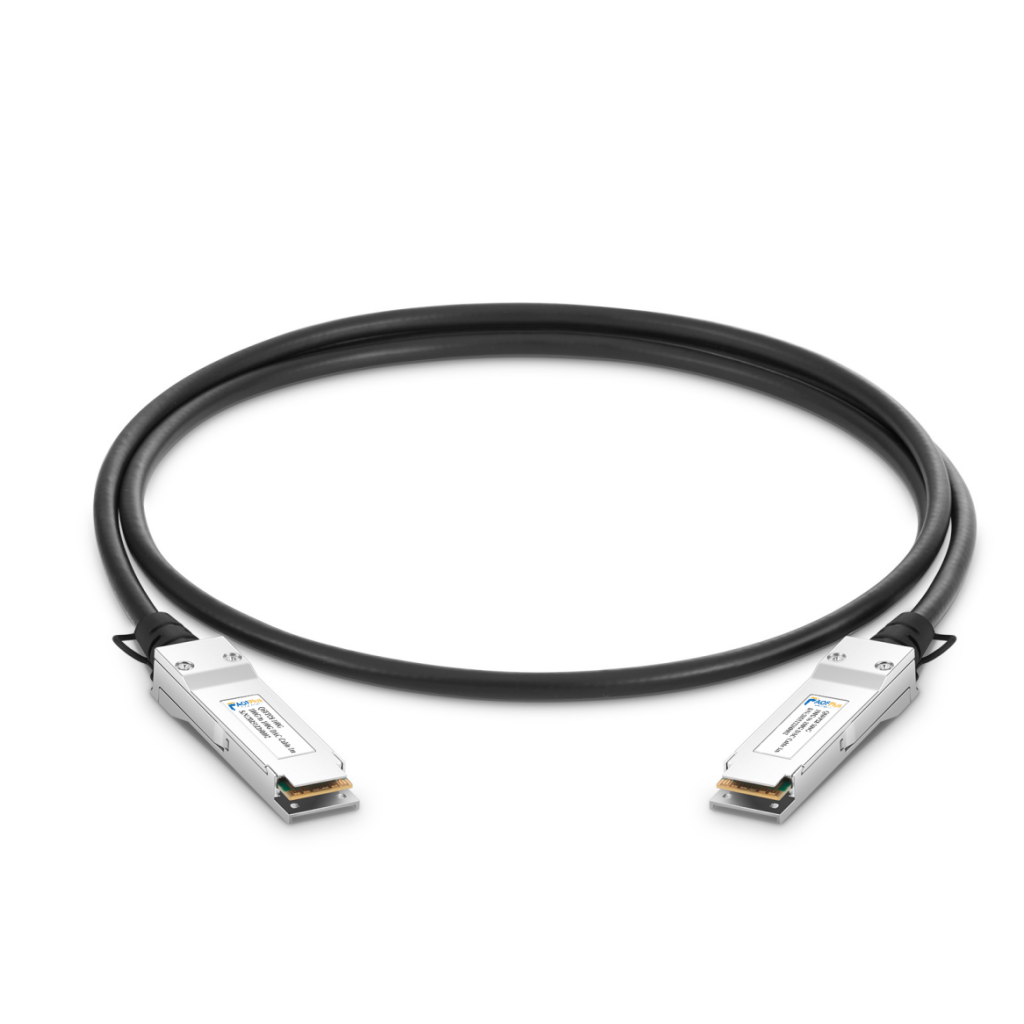
A DAC cable, or Direct Attach Copper cable, is a cost-effective copper cable with transceivers built-in for high-speed, short-distance connections (typically under 10 meters) within data centers, connecting servers, switches, and storage, offering lower power and cost than optical solutions but being bulkier and more susceptible to EMI.
Direct attach cables come in two forms: passive and active, and both can transmit over copper. The passive form does not require signal conditioning. This allows it to minimize power consumption and production cost. The active cables have electric components in the transceivers that boost the signal.
What Are the AOC Cables?
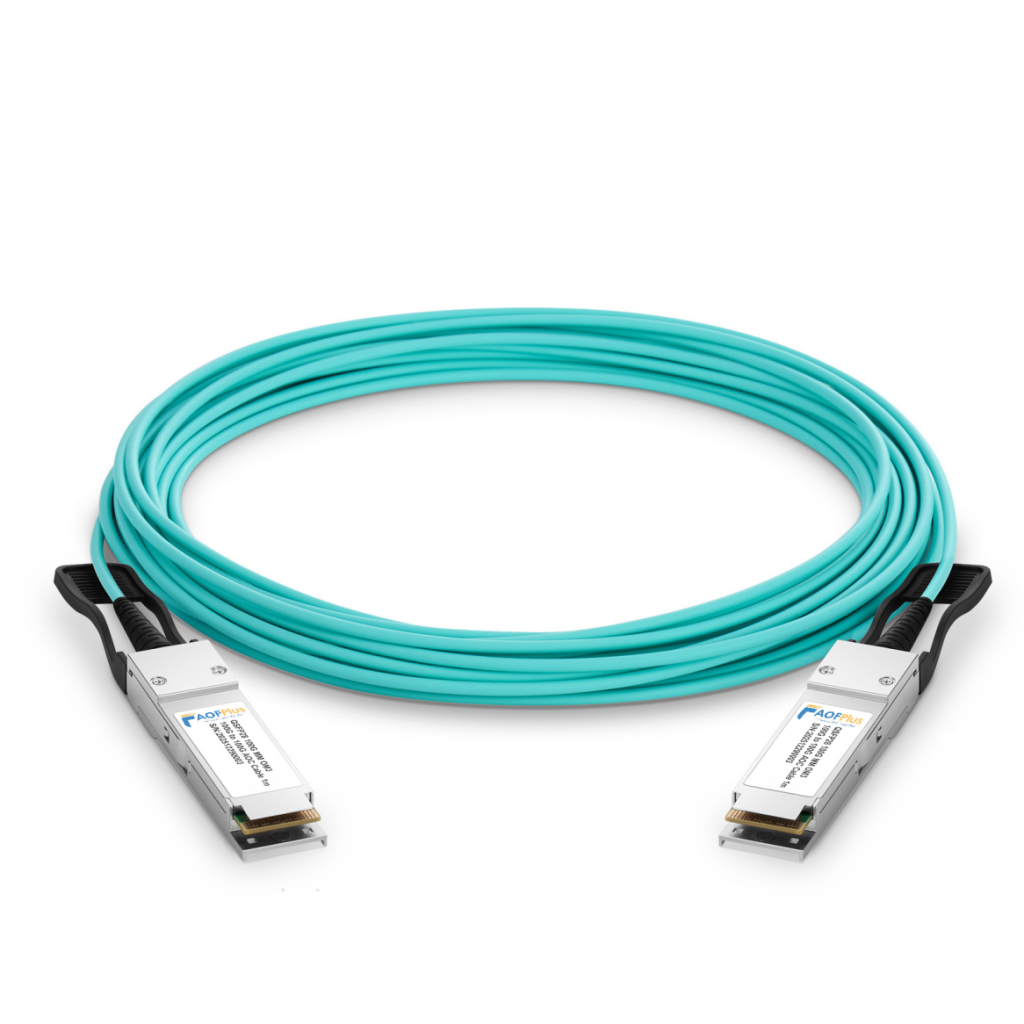
Active optical cables (AOC cables) are lightweight, high-speed fiber optic cables with built-in transceivers that convert electrical signals into optical signals for long-distance, high-bandwidth data transmission. They are commonly used in data centers (10G-400G) to connect switches, servers, and storage devices, and are also suitable for consumer-grade interfaces such as HDMI and USB-C. Compared to copper cables, aoc active optical cables offer thinner cables, lighter weight, better heat dissipation, and longer transmission distances (from a few meters to several kilometers), enabling high-performance network connectivity.
Advantages and Features of DAC Cables
Simple Direct Connection: DAC cables are integrated cables combining optical modules and copper wires, allowing for direct connection between devices without the need for optical module slots, simplifying the installation process.
Low Latency: DAC cables offer high transmission speeds and low latency, making them suitable for applications requiring high real-time performance, such as high-frequency trading and cloud computing.
Stable and Reliable: Because direct attach cables transmit signals through copper wires, they are more stable and reliable compared to AOC cables, as they avoid the optical attenuation and related issues associated with optical modules.
Economical and Practical: DAC cables are more affordable than aoc active optical cables, making them suitable for applications with limited budgets or those that do not require long-distance transmission.
Low power consumption: Compared to AOC cables, DAC cables generally consume less power because they do not require additional optical converters.
Advantages And Features of AOC Cables
High-speed transmission capability: AOC active optical cables utilize optoelectronic conversion technology to achieve high-speed data transmission. Their transmission speed can reach or exceed 100 Gbps, offering higher bandwidth than traditional copper cables or optical fibers.
Long-distance transmission: AOC cables transmit data via optical fibers, eliminating the problem of electronic signal attenuation, allowing for data transmission over long distances. In contrast, copper cables have limited transmission distances, generally not exceeding tens of meters.
Lightweight and flexible: AOC cables use optical fibers and optoelectronic conversion chips, making them more flexible and lightweight than traditional copper cables. This makes active optical cables easy to install and maintain, suitable for various scenarios, including server rooms and data centers.
Strong anti-interference: Due to the use of optical transmission technology, AOC cables are resistant to electromagnetic interference. In contrast, copper cables are susceptible to electromagnetic interference, affecting the quality and speed of data transmission.
Energy-saving and environmentally friendly: AOC active optical cables utilize low-power optoelectronic conversion chips and optical fiber transmission, reducing energy consumption compared to traditional copper cables, contributing to energy saving and emission reduction.
Comparison of DAC Cables And AOC Cables
In terms of transmission speed, AOC cables can achieve transmission speeds of 100 Gbps or higher, while DAC cables typically have transmission speeds below 40 Gbps or 100 Gbps. Regarding transmission distance, AOC cables can transmit data over long distances, while DAC cables have a shorter transmission distance, generally within tens of meters. Furthermore, active optical cables use fiber optic transmission, making them more flexible and lightweight, suitable for various scenarios. Direct attach cables, on the other hand, are integrated cables that can be directly connected to devices, making installation simpler. In terms of cost, aoc active optical cables are generally more expensive due to the need for optical modules and fiber optic components. DAC cables, however, are relatively inexpensive, making them an economical and practical option.
Conclusion
Both AOC cables and DAC cables have their own advantages and characteristics, making them suitable for different application scenarios. AOC active optical cables are ideal for applications requiring high-speed, long-distance transmission and strong interference resistance, such as data centers and server interconnects; while direct attach cables are suitable for short-distance, cost-effective, and low-latency scenarios, such as connections between servers within a data center. Choosing the appropriate cable depends on specific needs and budget, and requires weighing the pros and cons based on the actual situation.