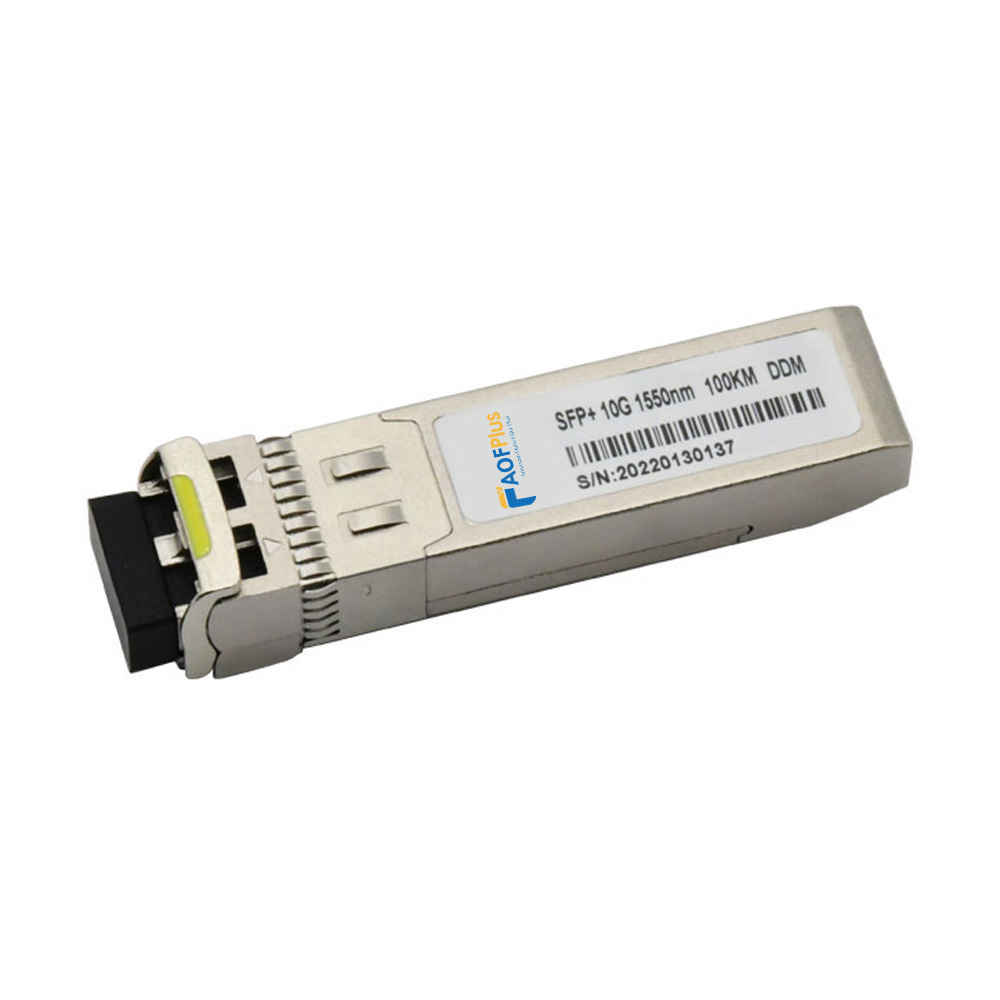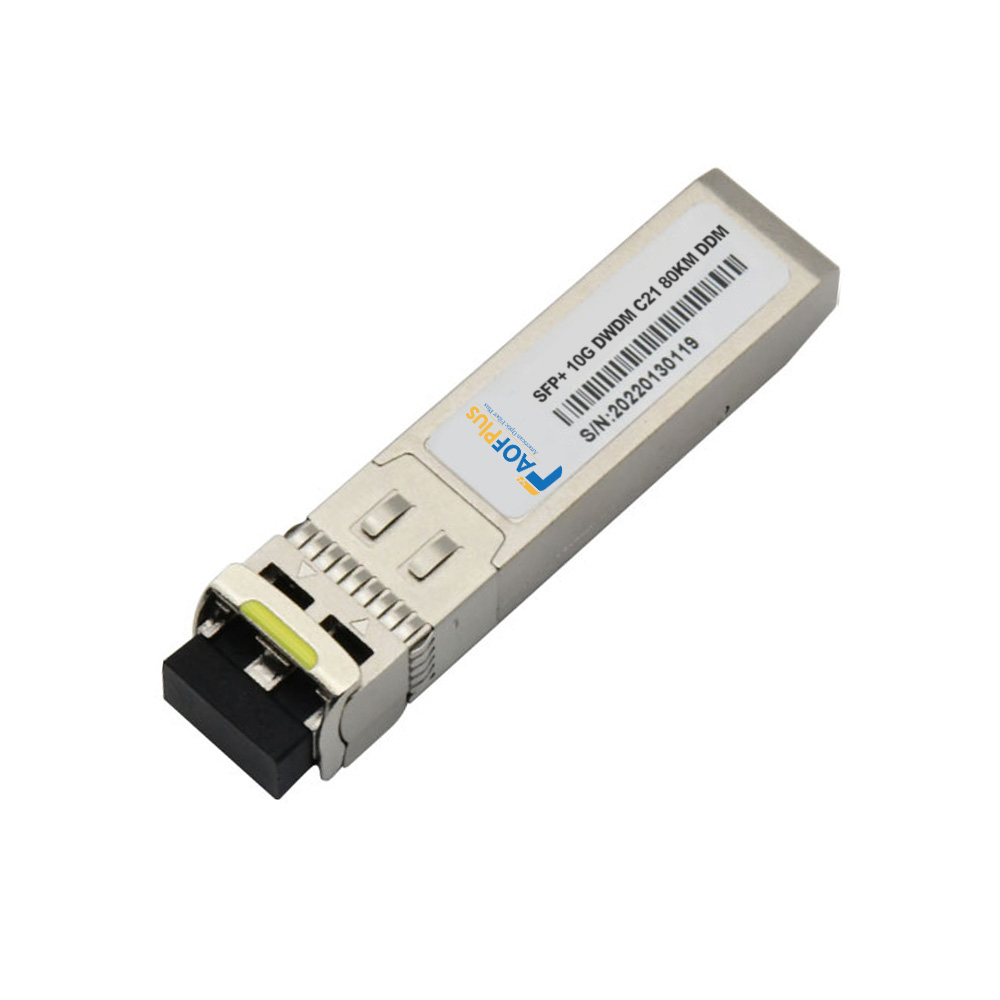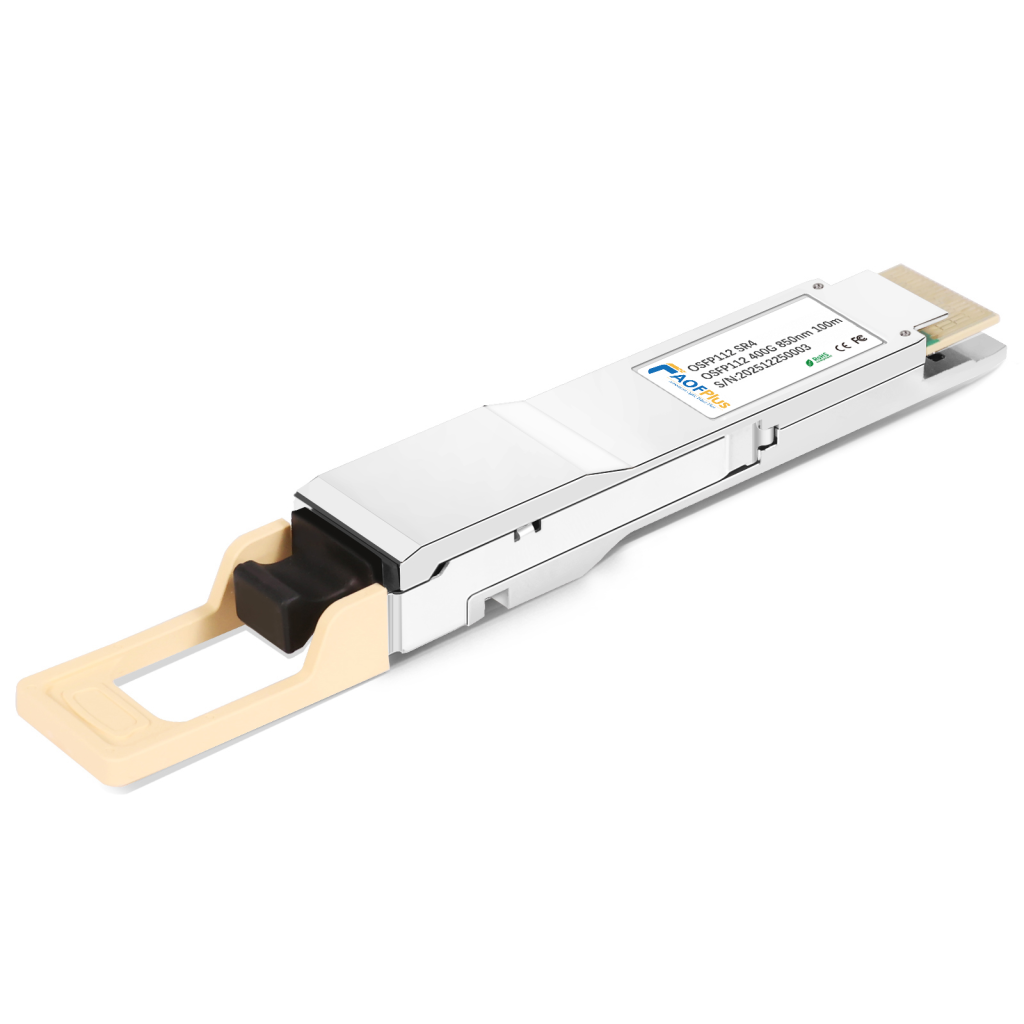
In the digital economy, scenarios such as 5G backbone networks, intercity data center interconnection, and enterprise wide-area networking urgently require high-speed, long-distance optical transmission solutions. The 40G ZR4 optical transceiver, with its ultra-long transmission capability of 80km, has become a cost-effective choice for bridging the gap between 10G and 100G. ETU-LINK’s products, in particular, have gained market favor due to their stable performance. This article analyzes its value from three aspects: core technology, advantages, and applications.
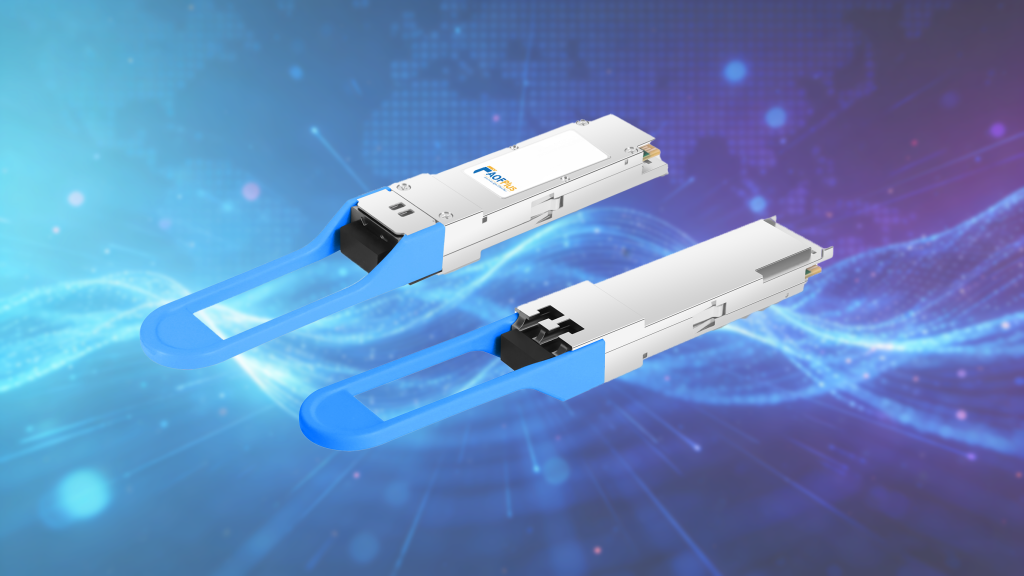
The Core Technology of 40G Optical Transceivers
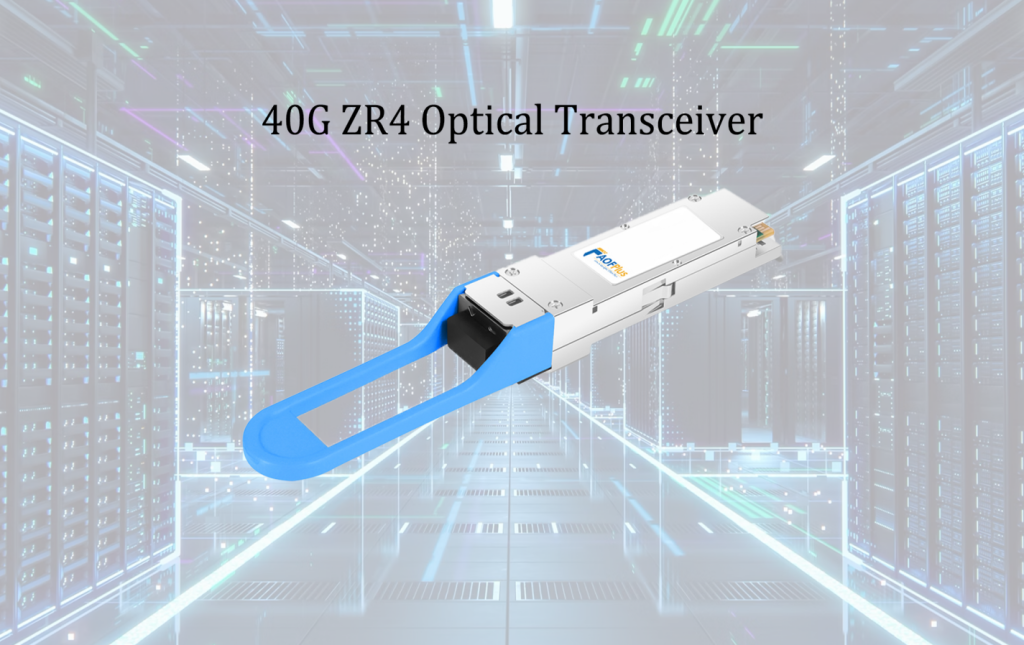
The core competitive advantage of the 40G ZR4 fiber optic transceivers in its multi-technology collaborative design: it utilizes a QSFP+ package to aggregate and split four 10G signals, and its dual LC interface with single-mode fiber is suitable for wide-area deployment; the core optoelectronic components use a 1310nm EML laser and APD receiver combination, enabling 80km transmission without an optical amplifier (EDFA), simplifying the architecture and controlling costs. The transceiver also incorporates technologies to ensure transmission quality, reducing the probability of signal errors, and features convenient monitoring functions for easy maintenance, allowing for stable operation without requiring additional auxiliary equipment. The product also conforms to industry standards, enabling compatibility with equipment from different brands, and is available in standard and customized versions to suit different application environments.
Core Advantages of 40G Optical Transceivers
The advantages of 40G ZR4 transceiver modules are concentrated in three areas: In terms of transmission distance, it fills the gap in ultra-long-distance 40G transmission, and its 80km intercity transmission capability changes the current situation of relying on expensive 100G transceivers; in terms of cost, the “EDFA-free” design combined with 40G bandwidth significantly reduces overall networking costs, offering excellent cost-effectiveness; and in terms of stability, the low-power design reduces heat generation, supports hot-swapping for convenient maintenance, and maintains a low bit error rate even at the 80km transmission limit, allowing for stable operation in complex environments.
Core Applications of 40G Optical Transceivers
40G ZR4 optical transceivers play an irreplaceable role in many core application scenarios. In 5G backbone networks, 40G ZR4 fiber transceivers offer transmission distances of up to 80 kilometers, effectively connecting base stations and aggregation nodes to meet backhaul needs in remote areas. This characteristic makes them crucial in 5G network deployment, especially when wide-area coverage is required. 40G ZR4 transceivers not only provide efficient bandwidth support but also reduce network construction costs and improve network flexibility and reliability. Due to their superior performance, they have been widely used in numerous 5G projects, providing strong support for the smooth expansion of global 5G networks.
In data center interconnects, 40G ZR4 transceiver modules play a crucial role in cross-city resource scheduling. By providing stable, high-speed data transmission, 40G ZR4 transceivers help data centers in different cities achieve efficient and resource sharing, ensuring business continuity and data security. Furthermore, the 40G ZR4 fiber transceiver employs an optimized heat dissipation design, enabling stable operation in high-density deployment environments and preventing performance degradation or failure due to overheating. This makes it an efficient and reliable interconnect solution for data centers, widely used in large-scale cloud computing platforms and enterprise-level data centers, supporting large-scale data exchange and traffic management.
In enterprise networks, the 40G ZR4 fiber transceiver can cover the connectivity needs of most cities, providing high-speed and stable data transmission. Its dual LC interface design simplifies the deployment process, making network construction more efficient and reducing cabling complexity. Particularly in industries such as energy and finance, the 40G ZR4 optical transceiver can provide customized solutions to ensure the reliable transmission of critical data. In these industries, data security and real-time performance are paramount; the high performance and stability of the 40G ZR4 fiber optic transceiver meet stringent transmission requirements, supporting large-scale data processing and remote monitoring, helping enterprises achieve efficient business operations and risk management.
Conclusion
The 40G ZR4 optical transceiver has become a core choice in the mid-to-high-end long-distance transmission market due to its advantages such as an 80-kilometer transmission distance, high cost-effectiveness, and high compatibility. With the development of 5G and computing networks, the 40G ZR4 transceiver module will continue to play a key role in long-distance interconnection, contributing to the development of the industry. AOFPLUS, as an excellent supplier, provides a variety of high-quality 40G fiber transceivers, offering reliable fiber optic communication solutions.