Open systems, artificial intelligence(AI), machine learning and cloud storage are collectively contributing to the exponential growth in data traffic. As large data centers transition to faster, more scalable infrastructures, high capacity connectivity is critical to keep up with the growing number of users, devices and applications, and 100G networks are no longer sufficient to meet application demands, with 400G networks coming into being. Let’s explore the advantage of 400G QSFP-DD transceiver module.
High Speed Data Transmission
One of the most significant advantages of the 400G QSFP-DD transceiver module is its ability to support extremely high data transmission rates. With a capacity of 400 gigabits per second, it enables seamless transfer of large volumes of data in a fraction of the time compared to lower-speed modules. This is crucial in today’s data-intensive applications such as high definition video streaming, cloud computing, and big data analytic. For example, in a data center handling massive amounts of data for a large enterprise, the 400G QSFP-DD transceiver module can significantly reduce latency and improve overall network performance, ensuring smooth operations and enhanced user experience.
Compact Form Factor
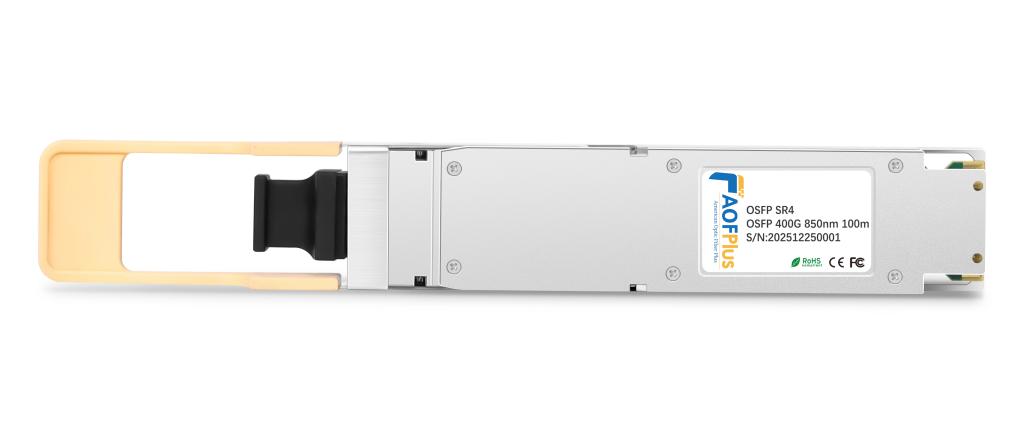
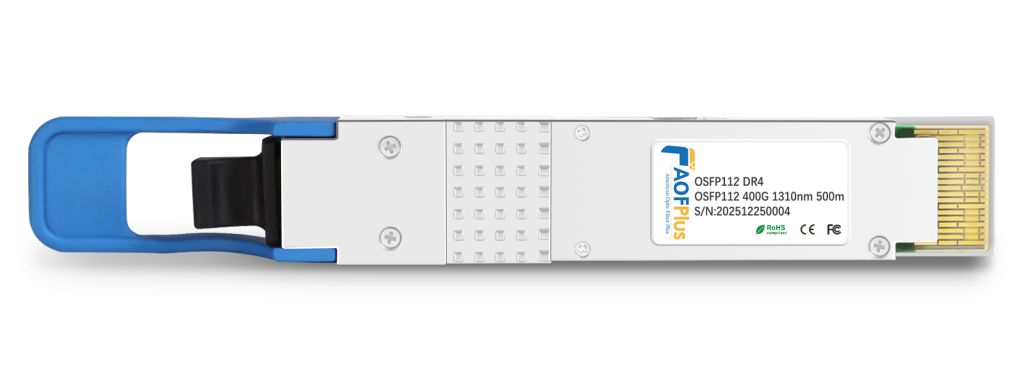
The QSFP-DD (Quad Small Form-factor Pluggable Double Density) form factor offers a compact and space-efficient design. This is especially beneficial in data centers where space is at a premium. The smaller size allows for higher port density, enabling more connections in a limited space. For instance, a data center operator can fit more 400G QSFP-DD optic transceiver modules in a single rack, maximizing the use of available space and increasing the overall capacity of the network. This not only saves physical space but also reduces cooling requirements and power consumption, leading to cost savings in the long run.
Versatility and Compatibility
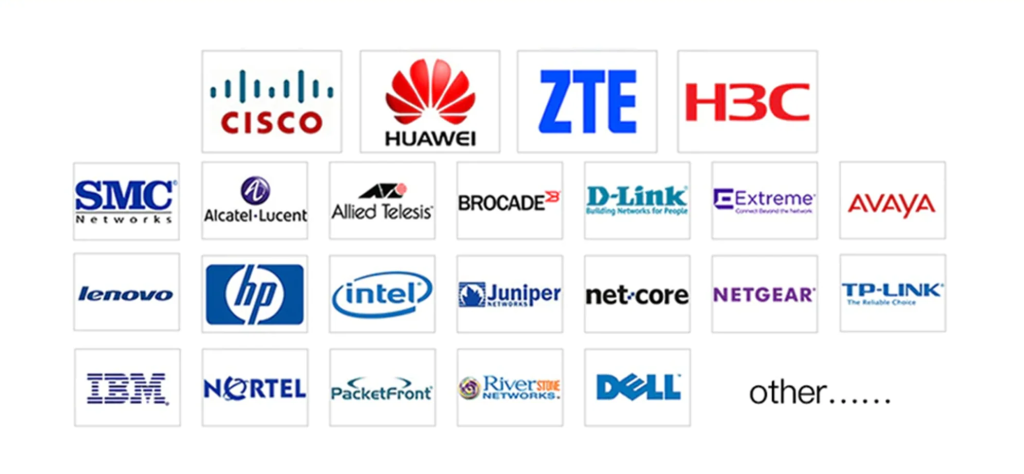
The 400G QSFP-DD transceiver module is highly compatible with a wide range of networking equipment. It can be used in switches, routers, and servers from different manufacturers, providing flexibility in network design and deployment. This compatibility allows network operators to upgrade their existing infrastructure to 400G without having to replace all their equipment. For example, a company with an existing network of switches and routers can simply add 400G QSFP-DD transceiver modules to upgrade their links and take advantage of the higher speed without a complete overhaul of their network.
Power Efficiency
As data centers strive to reduce power consumption and operating costs, the power efficiency of transceiver modules becomes a critical factor. The 400G QSFP-DD fiber module is designed to consume relatively less power compared to other high speed options. This not only helps in reducing electricity bills but also contributes to a more sustainable and environmentally friendly operation. For instance, a large data center with thousands of transceiver modules can achieve significant power savings by using 400G QSFP-DD modules, which can add up to substantial cost reductions over time.
Future Proofing
With the increasing demand for higher data rates and bandwidth, investing in 400G QSFP-DD transceiver module is a future efficient strategy. As technology continues to advance, networks will need to handle even greater amounts of data. The 400G QSFP-DD optical module provides a solid foundation for future upgrades and expansions, ensuring that the network remains capable of meeting evolving demands. For example, a service provider can deploy 400G QSFP-DD fiber transceiver today and be confident that their network will be able to handle the growth in data traffic for years to come, reducing the need for frequent and costly upgrades.
Conclusion
The 400G QSFP-DD transceiver module offers a host of advantages, including high speed data transmission, compact form factor, versatility, power efficiency, and future proofing. As the demand for faster and more efficient data communication continues to grow, this innovative technology is set to play a crucial role in shaping the future of networking.